
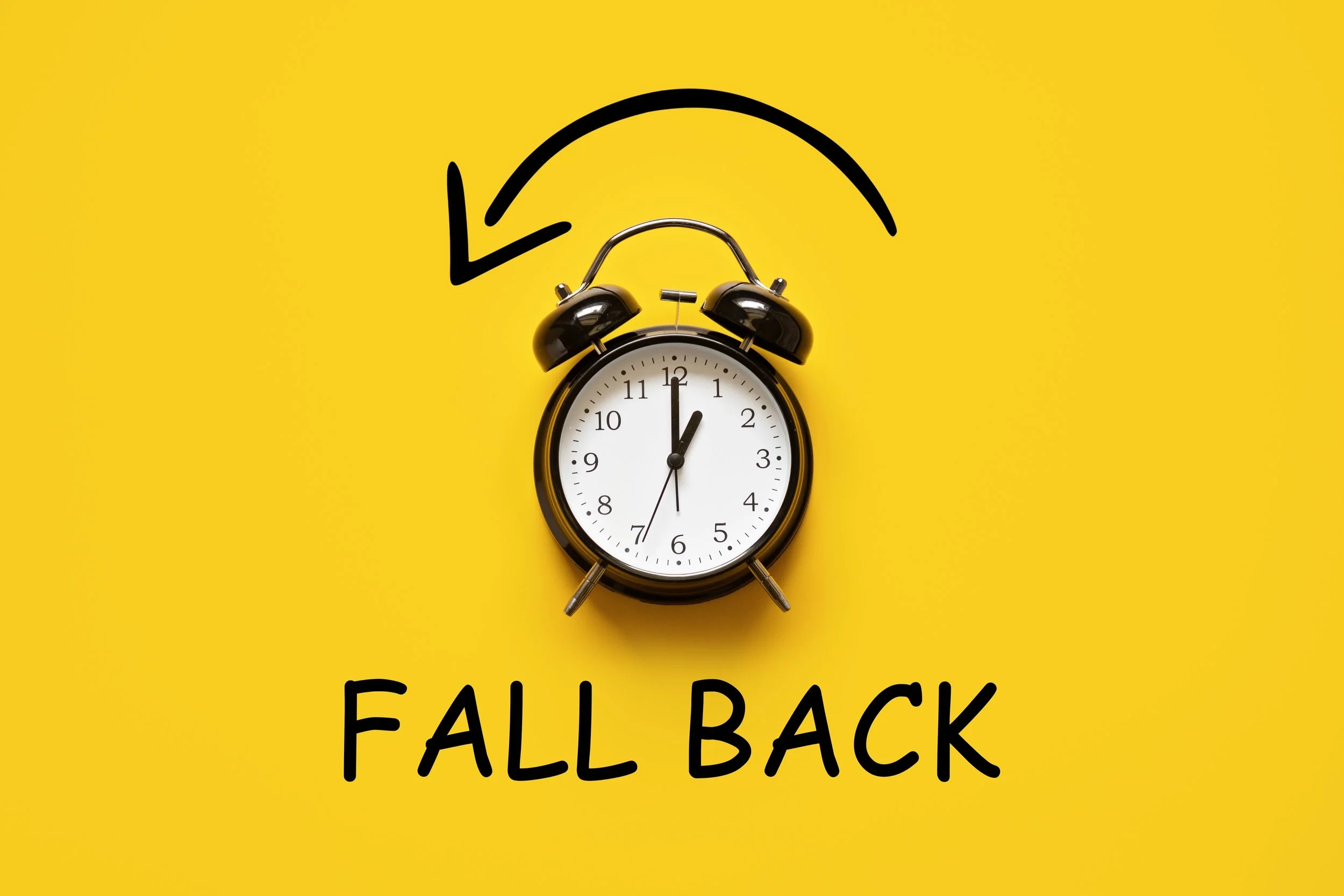
Americans gained an hour this morning
Daylight saving time ended across most of the United States at 2 a.m. local time today, Sunday, November 1, 2026. Clocks fell back to 1 a.m., so the hour between 1 and 2 a.m. happened twice, and most people got an extra hour of sleep.
The trade-off arrives this evening. Sunrise and sunset both shift an hour earlier, bringing brighter mornings but darker late afternoons through the winter.
Under the Uniform Time Act, daylight saving time runs from the second Sunday in March to the first Sunday in November. This year it began on March 8, and November 1 is the earliest date the fall change can land.
Who didn't change, and what's next
Not everyone touched their clocks. Hawaii and most of Arizona stay on standard time all year. So do the U.S. territories of Puerto Rico, the U.S. Virgin Islands, Guam, American Samoa and the Northern Mariana Islands.
Phones, computers and other connected devices update on their own. Oven clocks, car dashboards and wall clocks usually need a manual reset.
The next change comes on Sunday, March 14, 2027, when clocks spring forward one hour at 2 a.m., unless Congress changes the law first.
Will this be the last time?
The push to "lock the clock" got further this year than it has in years. On July 14, 2026, the House passed the Sunshine Protection Act (H.R. 139) by a vote of 308 to 117, with President Trump backing it. The bill would make daylight saving time permanent nationwide.
The bill has since stalled in a Senate committee, so today's change went ahead as scheduled. The Senate passed a similar bill by unanimous consent in 2022, but it died in the House.
States could opt out and stay on standard time year-round, as Hawaii and most of Arizona do now, if they act before the law takes effect. Nineteen states have already passed laws to adopt permanent daylight saving time if Congress allows it.
The case for permanent daylight saving time: Supporters, including Florida's Rep. Vern Buchanan and Sen. Rick Scott, say later sunsets would mean more evening daylight, fewer disruptive clock changes, and benefits for safety, outdoor activity and tourism.
The case for permanent standard time: Sleep experts, including the American Academy of Sleep Medicine, argue that standard time better matches the body's natural clock. Critics warn permanent daylight saving time would bring very late winter sunrises, the problem that ended a U.S. experiment with year-round DST in 1974. A rival House bill, the Sunshine for Our Kids Act, would make standard time permanent instead.
What most people agree on is ending the switch. A 2026 poll found nearly two-thirds of Americans want to stop changing the clocks, while an AP-NORC poll found 56% preferred permanent daylight saving time and 42% preferred standard time.
Easing into the darker evenings
Keep your schedule steady. Go to bed and wake up at your usual times this week, even with the extra hour.
Get morning light. A walk or time by a window early in the day helps your body clock adjust.
Watch the evening commute. Drivers and pedestrians are suddenly heading home in the dark, so take extra care.
Check what didn't update. Reset clocks in the car, kitchen and on older devices.
Use the moment for safety checks. Many fire departments suggest testing smoke and carbon monoxide detectors when the clocks change.
For now, the clocks will keep changing twice a year. Whether today was one of the last fall-backs is up to the Senate.